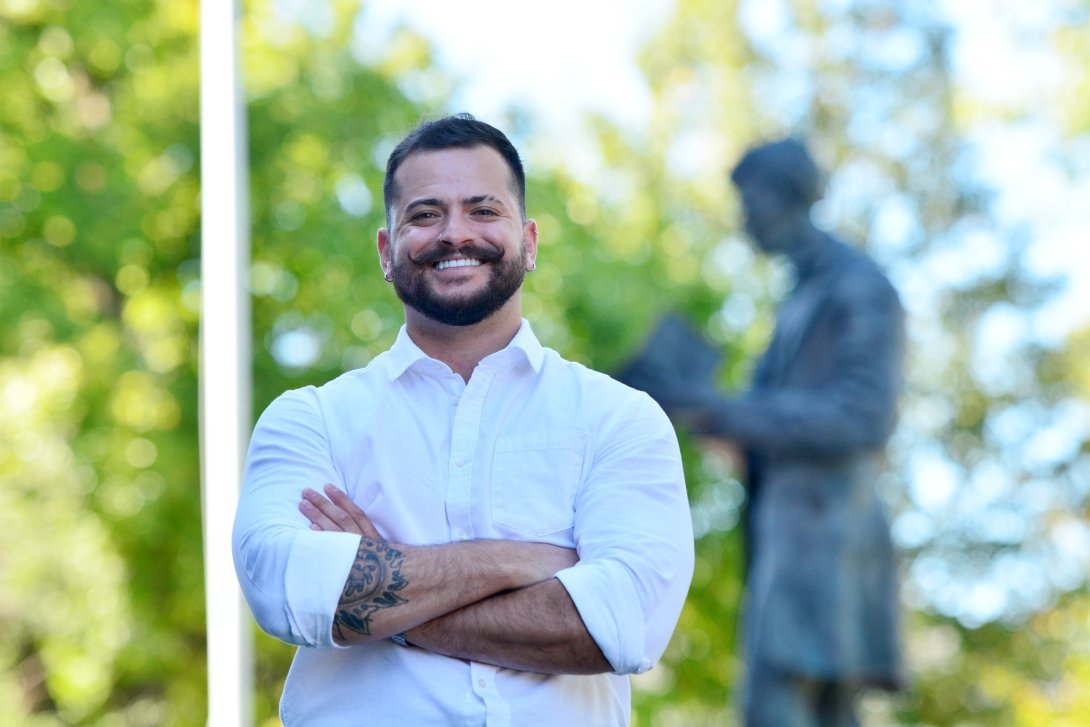
Since he was young, Matheus Marlisson’s focus has been on improving the world for others like him
On January 12, 2011, a month’s worth of rain fell in a single day on the mountainous region of northeast Rio de Janeiro, Brazil.
The rains triggered widespread flooding and devastating mudslides, sweeping homes off the hillsides and sending rivers of mud through the streets of Nova Friburgo, one of the hardest-hit cities. In all, more than 900 people died. At the time, Reuters reported it as the second-worst loss of human life in Brazil’s history.
That day, Matheus Marlisson ’21 was a young teenager. He witnessed firsthand the horrors of a natural disaster, seeing the impact on his family, friends and neighbors.
In the following weeks, as he threw himself into the recovery efforts, the experience sparked in Marlisson a desire to help his home country and perhaps prevent similar tragedies in the future.
That ember has only grown brighter in the years since that tragic day forever altered Marlisson’s life. His work amid the recovery opened doors he had only dreamed of, leading him to the United States, Centre College and now back home with the power to make positive change and a feeling of responsibility to help those who grew up like him.
“It was all that suffering that led to my success,” he said. “Now what do I do with that?”
‘They told me education was going to change my life’
Marlisson grew up in one of Brazil’s many favelas, raised by his grandparents.
Home to more than 8 percent of the country’s population, the favelas, like lower-income communities around the world, are often plagued by poverty, inadequate infrastructure and gang violence.
Those community issues are tied directly to the death of Marlisson’s father, who was recruited off the streets to sell drugs before dying of an overdose when Matheus was 1.
Marlisson saw the challenges his community faced up close, witnessing a homicide on the streets when he was just 8. But his grandparents wanted more for him and encouraged him to seek a better life.
“They were both illiterate, but they were very hardworking people," he said. “And they always, always told me that education was going to change my life.”
That education began informally, as Marlisson learned to speak English while assisting missionaries in his community.
His fluency became crucial following the 2011 mudslides.
“I was about 14 or 15 years old and had no idea what to do. I just watched everything I had always thought would be there disappearing,” he said. “I had a volunteer vest, and I put it on and went out and was pulling bodies out of the mud and helping to build shelters.
“It was a very traumatic experience, but at the same time I realized how my own literacy could help.”
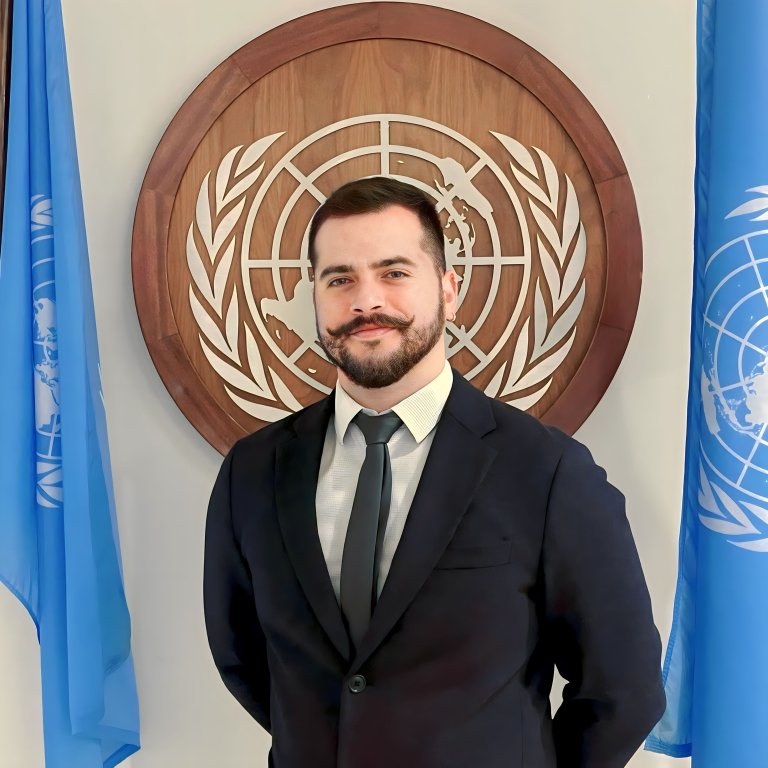
Marlisson helped found CERT Brazil, an organization that partnered with government officials, non-profits, businesses and religious groups on disaster preparedness education. He helped source and translate educational materials used to train local residents on crucial first steps in the event of a natural disaster.
His volunteer work earned recognition in 2013 when he was selected as a Brazilian Youth Ambassador by the U.S. Department of State and the U.S. Embassy in Brazil. He traveled to Washington, D.C. with his fellow youth ambassadors from Latin America and the Caribbean for sessions aimed at increasing leadership skills and preparing young people to make a difference in their communities.
“That one program literally changed my life,” he said. “One day I was living in deep poverty, and the next day I was in the White House.
“Those things were literally transforming my perspective on who I was and how I wanted to act in the world.”
Marlisson set his sights on attending college. His academic and volunteer resume helped him gain acceptance to more than 17 schools in countries all over the world, including the United Kingdom, New Zealand and the U.S.
But being accepted didn’t make a college education possible. He still faced the reality of being unable to pay for tuition, housing and other necessities. Shortly after he began higher education in Brazil, he learned that a college in Kentucky had an opportunity for him to fulfill his dream of studying in the U.S.
He met Centre admissions staffer Kendra Montejos (Edwards) ’14, who served as Assistant Director of Admission and Multicultural Recruitment before pursuing her doctorate at the University of Texas at Austin.
She visited the Education USA college advising center established in Brazil by the U.S. Department of State and, as Lincoln Scholars Program Director Robert Schalkof recalls, “all they could talk about was Matheus. Then Kendra met him, and she couldn’t stop talking about him.”
Montejos nominated Marlisson for Centre’s Lincoln Scholarship, which offers free tuition, room and board to 10 students each year who have the capacity and a deep desire to change the world.
“He certainly embodies that fully,” said Schalkof.
Welcome to Centre
When Marlisson received the news that he was in the running to be a Lincoln Scholar, his grandmother told him it was an opportunity from God to change his entire family’s story.
Two weeks after Marlisson met with Centre staff about the scholarship, his grandmother passed away. “She didn’t see me go into college, but I carry with me the legacy of how much hard work she put in.”
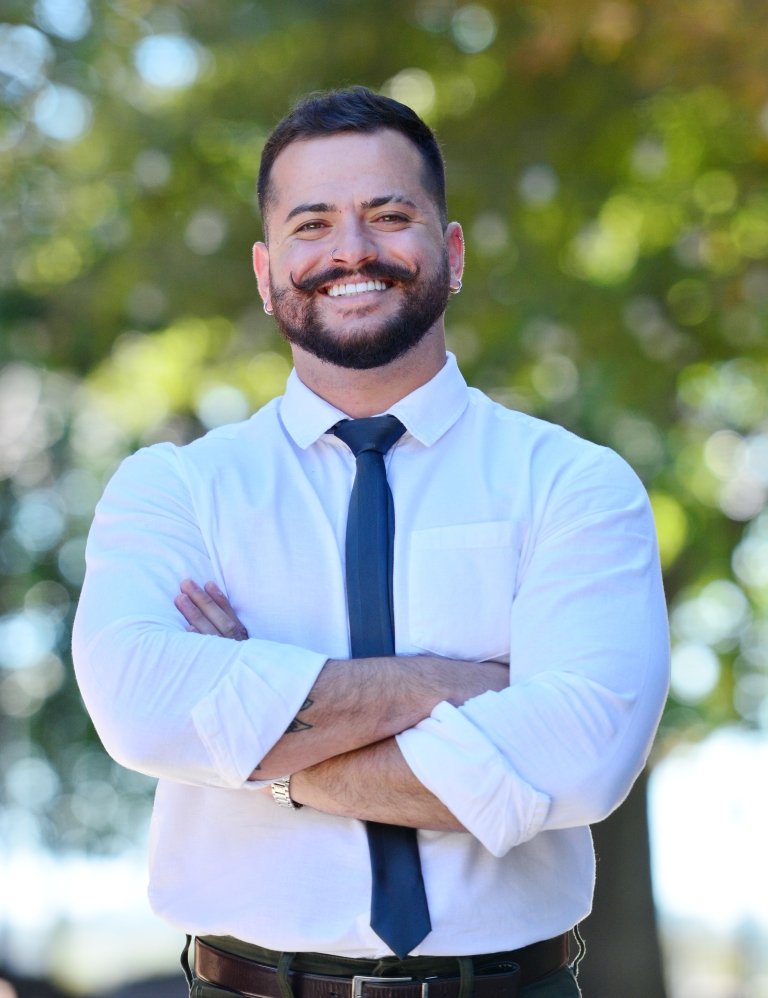
Trading the Brazilian shores for the Kentucky bluegrass wasn’t easy. He was the only Portuguese-speaker on campus, but the warmth of the Centre community helped him acclimate to his new home.
A key figure in his growth was Schalkoff, whom Marlisson calls “the father I never had.”
He also still speaks weekly with Linda Minteer, former manager of the Centre Bookstore, who served as his host mother.
“She was a true blessing during my time at Centre,” he said. “Inviting me over for dinner, making me feel at home when I was far from home. I’ve come back every year since I graduated to visit Linda.”
In the classroom, Anthropology professor Jamie Shenton, Psychology professor Aaron Godlaski and former International Relations professor Rahim Mohamed helped shape his intellectual journey, encouraging him to see the world through new perspectives and to continue his quest to improve the lives of others.
Majoring in Political Science and International Studies, Marlisson drew inspiration from American Civil Rights leaders, such as Martin Luther King Jr. and Malcolm X, to understand global and local issues and how to bring about change. He credits his professors with helping him contextualize his lived experiences and see a path forward to making the world a better place.
“They knew I could take all this trauma, all these world issues happening all around, and make sense of it,” he said.
On a mission
It’s no coincidence that the American historical figures that inspired Marlisson were change-makers who shaped the course of history. It’s a big goal, but one that’s been at the forefront of his mind since he was young.
“I was a teenager trying to figure life out with all the dreams of trying to change the world,” he said.
After graduating from Centre, Marlisson attended Columbia University, where he earned his master’s degree in Global Thought. He has been invited back to Columbia’s campus for the last four years by his former professor and mentor, Vojislava Cordes, to discuss his research centering on life in Brazil’s favelas and Rio de Janeiro’s assets and challenges as a global city.
Professionally, Marlisson amassed experience through several social and economic development projects worldwide, working as a consultant for governments and international institutions across four countries. He has worked for an organization partnering with the United States Agency for International Development (USAID) and the United Nations and held positions as an executive in a Texas-based technology company and as a senior associate in a multinational financial firm headquartered in New York City.
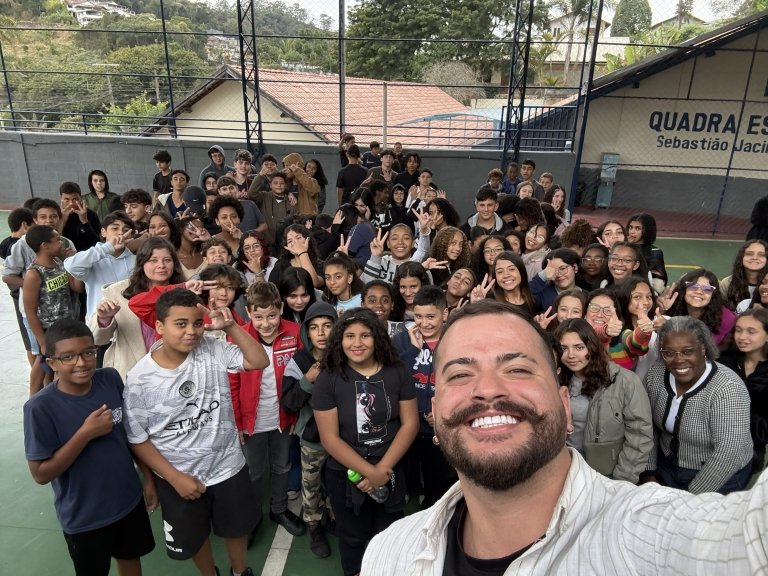
“You see there is money and fame and prestige in working in a global career,” he said. “And that’s all valid. Of course we want to have good things for ourselves. But to work globally, is actually to work to change the world into something better. And there’s no other way to do that than by putting people who are suffering at the center of the debate and the center of discussions and how you think about yourself and the careers you want to follow.”
“I got invited to work in the Brazilian Ministry of Finance and in one of my first meetings, we were discussing how to fight hunger,” he said. The room was filled with economists and researchers discussing the intricacies of policy and “magic bullet” solutions.
“I spoke up and asked, ‘How many of you have actually gone hungry?’ And none of them had,” he said. “I had. I knew what it meant to spend days without food. I’ve been there before.”
That experience, which led to a meeting with Brazil’s first lady, made a lasting impression on Marlisson — one he wanted to share with the current Centre students.
“In that circle, I felt a lot of imposter syndrome until I realized I know what I’ve been through, and I know the things I’ve struggled with,” he said. “Speaking out about what you think is the right thing.”
Now living in Rio de Janeiro, Marlisson is advancing youth entrepreneurship and development initiatives to combat climate change and perhaps prevent future climate disasters. He travels throughout Brazil to advance education, sustainability and inclusive development in the state of Rio. It all connects to his lifelong goal of building a fairer, more dignified future for all.
His plan to run for public office comes in hopes that he can more directly affect policies on the local level to help others like him. Wherever his journey takes him next, Marlisson traces everything back to the most seminal moments in his life, all connected by the realization that education opens doors he once found unthinkable.
“How can someone come from the rubble of the favelas in Brazil go all the way to influence global politics?” he asked, ticking off the once unthinkable worlds he now inhabits. “United Nations, Brazilian Finance, Brazilian Environment…
“Education is the beacon of hope.”